.jpg "Цифровой видеомикроскоп 1")
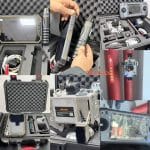
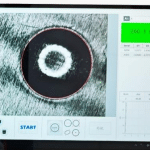
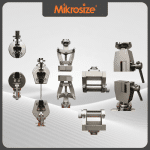
Цифровой видео микроскоп — это передовое устройство наблюдения, которое глубоко интегрирует традиционный оптический микроскоп с современными цифровыми технологиями изображения. Оно захватывает микроскопические изображения в реальном времени через камеру и напрямую отображает их на экране или компьютере, обеспечивая визуальное наблюдение без окуляра. Широко используется в промышленном контроле, научных исследованиях, медицинской диагностике, обучении и других областях.
Основные функции и технические характеристики
Высококачественное цифровое изображение
Устройство оснащено высокоразрешающим CMOS или CCD сенсором, поддерживающим сверхчеткий видеовыход от 1080P до 4K. Некоторые модели высокого класса имеют разрешение более 12 миллионов пикселей, что гарантирует четкость даже мельчайших структур. Например, цифровой микроскоп Hikvision с ультраглубиной 3D использует собственный CMOS сенсор на 12 миллионов пикселей, поддерживая изображение до 12000×9000 пикселей.
Интеллектуальная обработка изображений
Встроенный AI-алгоритм поддерживает такие функции, как улучшение изображения в реальном времени, антибликовая обработка, HDR, синтез расширенной глубины резкости (EDF) и 3D-моделирование, что значительно улучшает наблюдение сложных образцов. Например, серия Kaiman KS достигает 60% повышения эффективности интеллектуального распознавания благодаря AI.
Многофункциональные измерения и анализ
Оснащено профессиональным программным обеспечением, поддерживающим многомерные измерения, такие как длина, угол, площадь, шероховатость и подсчет частиц, с погрешностью в пределах ±1 мкм. Некоторые системы также обладают функциями автоматического обнаружения краев и 3D-стереоизмерений.
Многорежимная система освещения
Интегрирует различные методы освещения, такие как светлое поле, темное поле, поляризация, пропускание и листовое излучение, адаптируясь к потребностям освещения различных образцов, таких как металлы, полупроводники и прозрачные материалы, улучшая контраст и детализацию.
Обмен в реальном времени и управление данными
Поддерживает сохранение изображений и видео одним нажатием на USB-накопители или облачное хранилище, облегчая межведомственное сотрудничество, удаленные консультации и отслеживание качества. Несколько пользователей могут одновременно просматривать экран, повышая эффективность командной работы.
-150x150.jpg)